
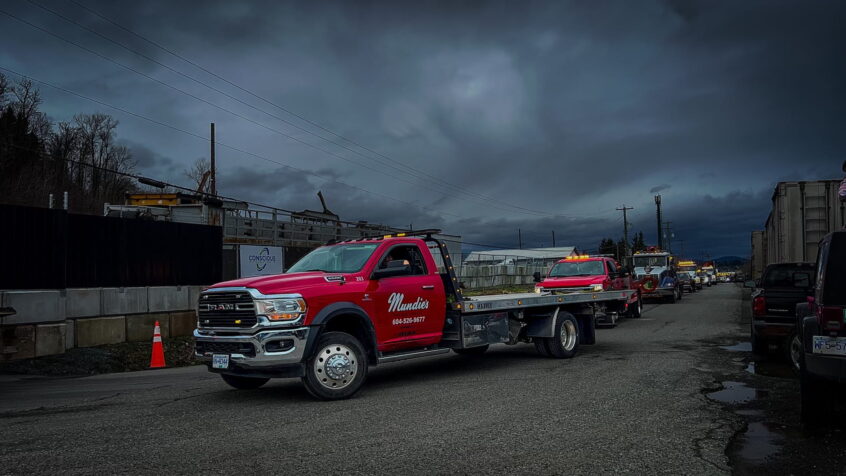
Although electric vehicles remove many issues associated with internal combustion engines, they can still leave you stranded. A dead 12-volt battery, flat tire, charging problem, or electrical fault can all lead to a roadside assistance call.
Why EV Roadside Emergencies Can Be Different
EVs Have Different Electrical and Towing Requirements
EVs use high-voltage batteries and electric motors along with advanced electronic systems. Because of these unique features, towing methods used on many fuel-powered vehicles aren’t always suitable for EVs.
The correct towing procedure varies depending on the type and model of the EV being towed, so following the manufacturer’s towing instructions matters.
Many Traditional Roadside Problems Still Affect EVs
Electric vehicles still have tires, locks, 12-volt batteries, suspension parts, and other components that can fail. A flat tire, vehicle lockout, dead low-voltage battery, or collision can leave an EV driver stranded just like any other driver.
1. The Main Battery Runs Out of Charge
Why EV Drivers Can Still Run Out of Range
Even though most modern EV manufacturers provide drivers with estimated ranges and battery warnings, many drivers experience dead batteries as they can misjudge remaining range, miss a charging stop, arrive at a charger that is unavailable, or use more energy than expected during a trip.
Cold Weather, Highway Driving, and Unexpected Detours
When the ambient temperature drops, the energy needed for the cabin heating system, together with the reduced efficiency of the battery in such circumstances, results in less available range.
Highway speeds can also increase energy use. Add heavy traffic, a long detour, or an unexpected stop, and the remaining range can fall faster than planned.
What to Do When Your EV Is Almost Out of Charge
If your battery is getting low, reduce unnecessary energy use and find the nearest compatible charger before the warning becomes critical. Most importantly, avoid continuing until the vehicle stops in an unsafe location,
If the battery is fully depleted, an electric vehicle towing service can transport you to a charging station, repair facility, or home charging location.
2. The 12-Volt Battery Dies
Why EVs Still Have a 12-Volt Battery
Most EVs have two separate batteries: a large traction battery and a small 12-volt battery. The smaller battery provides power to various low-voltage systems and assists in powering the vehicle’s onboard computers. If it fails to function properly, the entire vehicle can appear completely unresponsive regardless of whether there’s still significant charge in the larger traction battery.
Signs the 12-Volt Battery May Be the Problem
Symptoms of a weakened or failed 12-volt battery include dark screens, doors that won’t unlock normally, weak interior lights, or no ability to initiate drive mode. If the main battery still has sufficient charge but the vehicle won’t turn on, it’s possible that the 12-volt system is responsible for the failure.
When a Battery Boost May Help
Some EVs allow the 12-volt battery to be boosted using a specific procedure.
A battery boost service can help when the low-voltage battery is the source of the problem. However, since there are varying connection points and processes among different models, it’s essential to follow the manufacturer’s recommendations.
3. Flat or Damaged Tires
Why Tire Problems Are Common With EVs
EVs are frequently heavier than than similar gas vehicles because of their battery packs. They can also deliver strong torque from a stop. As a result, tire stress increases, especially when pressure is low or tread is worn. Potholes, nails, road debris, and sidewall damage can cause issues.
What to Do If Your EV Does Not Have a Spare Tire
Many newer vehicles come without spares. Instead, some are equipped with repair kits or sealants. If the tire has major damage or can’t be safely repaired, then the vehicle will likely need to be towed.
When the Vehicle Needs to Be Towed
If you have a usable spare tire, tire change service may get you moving again. If you don’t have a usable spare tire or the tire can’t hold air, then towing to a tire repair shop or repair facility is the safest option.
4. Charging Problems
Broken or Unavailable Public Chargers
Sometimes the vehicle is fine, but the charger may be offline, occupied, damaged, blocked, or incompatible with your vehicle. If you arrive with very little battery left, that can quickly become a roadside problem.
Charging Port or Connector Problems
Dirt, ice, physical damage, or an electrical fault can stop the charging port from working properly. Additionally, some cables may also fail due to manufacturing defects, misuse, or environmental exposure. The charging cable or connector can also fail. Never force a connector into the port or continue using equipment that looks damaged.
What to Do If the Vehicle Can’t Accept a Charge
Try to find another compatible public charger if you have enough battery left. If your vehicle refuses to charge at more than one location, the problem may be with the car itself. Towing to a dealership or qualified EV repair facility is usually the next step.
5. Electrical or Software Faults
Dashboard Errors and Vehicles That Will Not Start
EVs rely heavily on electronic controls. A software error, sensor problem, or electrical fault can stop the vehicle from shifting into drive even when the battery has charge. Some faults reset after a proper restart, while others need professional diagnosis.
Why High-Voltage Problems Should Not Be Diagnosed Roadside
High-voltage EV systems require special tools and training. Drivers shouldn’t inspect or repair the traction battery, orange high-voltage cables, or related components beside the road. Serious electrical warnings should be handled by a qualified technician.
6. Collision or Undercarriage Damage
Why Battery-Pack Damage Needs Extra Care
The majority of EVs have their battery packs mounted low in the floor of the vehicle. As a result of this configuration, impact underneath the car can potentially cause damage to either the battery housing or internal battery components. These types of damage may not always be visually apparent.
When an EV Should Not Be Driven After an Impact
Do not keep driving if you notice battery warnings, smoke, unusual smells, leaks, severe underbody damage, or major collision damage. In these cases, continuing to drive poses a risk to yourself and others. Towing is safer.
Why Electric Vehicles Often Require Flatbed Towing
Protecting the Motors and Drivetrain
Flatbed towing prevents rotation of wheels during transport, which prevents the wheels from turning electric motors or placing stress on drivetrain components.
Why Manufacturer Towing Instructions Matter
EV drivetrain layouts differ from one model to another. Each manufacturer has designed specifications for transporting their vehicles, including what type of lifting equipment is required and what specific steps must be taken before lifting.
A flatbed towing service can be suitable for many disabled EVs, but the tow operator should always follow the manufacturer’s instructions.
What to Tell the Tow Truck Company About Your EV
Make and Model
Give the dispatcher the exact make, model, and year to help them determine the correct equipment and towing procedure.
Battery Level
Tell them approximately how much charge remains. A fully depleted traction battery can affect loading and transport.
Warning Messages
Share any dashboard warnings or error messages you noticed before the vehicle stopped.
Whether the Vehicle Can Shift Into Neutral
Some EVs won’t enter neutral after a low-voltage or electrical failure. Tell the dispatcher if the vehicle can’t roll or shift normally.
Whether It Was Involved in a Collision
Mention any impact, underbody damage, leaks, smoke, or battery warnings.
Where a Disabled EV Can Be Towed
Charging Station
If the main problem is a depleted battery, the vehicle can be transported to a compatible charging station.
Dealership or Repair Facility
Electrical faults, charging problems, collision damage, and repeated warning messages often need professional service.
Home Charging Location
If the EV simply ran out of charge and there’s no sign of mechanical damage, towing it back to a home charger can also be practical.
How EV Drivers Can Reduce the Risk of a Roadside Emergency
Keep Enough Charge for Unexpected Delays
Avoid planning trips that leave you with almost no battery at your destination. Leave enough range for traffic, detours, weather, and unavailable chargers.
Check Tire Condition and Pressure
Check tire pressure and tread regularly. Deal with low pressure, uneven wear, cracks, or visible damage before longer drives.
Monitor the 12-Volt Battery
Pay attention to low-voltage warnings or problems with the vehicle’s electronics. A weak 12-volt battery can prevent the EV from starting properly.
Plan Charging Stops Before Longer Trips
Always check if charging stations are available along the route. Know where you plan to charge and have a backup location in mind. This is especially useful on longer drives where charger availability is limited.
When to Call Mundie’s for EV Roadside Assistance
Call Mundie’s Towing if your EV is inoperable or unsafe to travel in.
Our team will ask you about the EV make and model, your current location, the percentage of battery remaining, and what happened so we can determine whether you need a jump start, tire service, towing to a specific location, or other roadside assistance.
Our roadside and towing services are available throughout Metro Vancouver for drivers dealing with unexpected vehicle problems.
Frequently Asked Questions About EV Roadside Assistance
What Happens If an Electric Car Runs Out of Battery?
When the main traction battery reaches zero, the vehicle will eventually stop and can’t continue under its own power. The EV then needs to be transported to a compatible charger, home charging location, or another suitable destination.
Can You Jump-Start an Electric Vehicle?
You don’t jump-start the high-voltage traction battery. However, some EVs allow the 12-volt battery to be boosted. The owner’s manual needs to be checked because the correct procedure and connection points depend on the vehicle.
Can a Tow Truck Take an EV to a Charging Station?
Yes. A tow truck can transport a disabled EV to a compatible charging station when the main battery has run out. You can also arrange transport to a dealership, repair shop, or home charger depending on the problem.
Does an EV Need a Flatbed Tow Truck?
Many EV manufacturers recommend flatbed transport because it keeps all four wheels off the road. However, the correct towing method still depends on the make and model, so the tow operator should check the manufacturer’s instructions before moving the vehicle. EV vehicles can still be towed on a regular tow truck, as a regular tow truck has dollies that act similar to a flatdeck.