
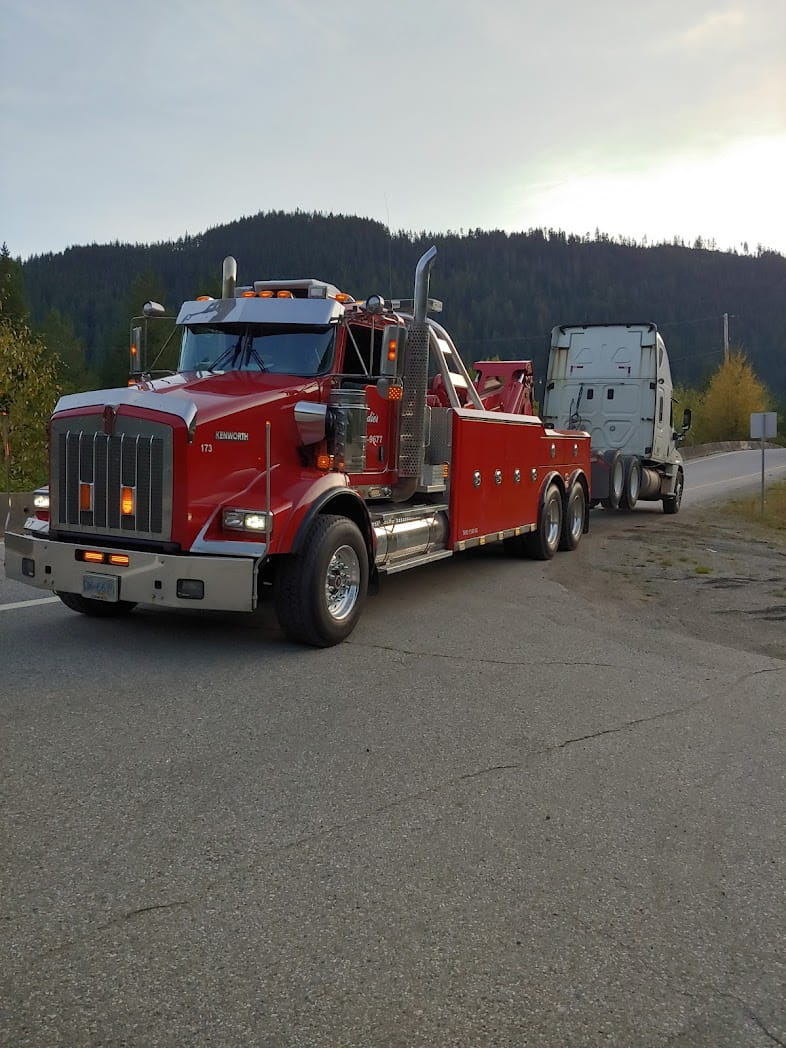
When you experience a highway vehicle breakdown, you’re placed in immediate danger by being exposed to high-speed traffic. The faster you know how to respond to this type of situation, the better chance you’ll have to protect all parties involved.
What to Do First When Your Car Starts Breaking Down
A car breakdown can escalate into a potentially hazardous situation, especially when the surrounding traffic flow is high. Knowing which steps to take allows you to provide additional safety for you, your passengers, and other drivers until your roadside assistance arrives.
Turn On Your Hazard Lights
As soon as you realize something is wrong, activate your hazard lights to alert drivers behind you that your vehicle is either slowing down or stopped.
Move to the Safest Available Location
If your vehicle still moves, signal and steer toward a shoulder or other safe area. Try to get as far from the traffic flow as possible.
Avoid Sudden Stops or Unsafe Lane Changes
Don’t try to cut across multiple lanes just to find a wider shoulder. Gradually slow down, signal, check your mirrors, and only cross over when it’s safe.
Should You Stay Inside or Leave Your Vehicle?
The answer to this question depends on where your vehicle stops and whether staying inside puts you at risk.
When Staying Inside Is Safer
In cases where your vehicle is entirely off the highway but there’s heavy traffic nearby, staying inside with your seat belt securely fastened is often safer than standing outside.
When You May Need to Exit the Vehicle
Leave the vehicle if you see or smell smoke, fire, or another immediate danger. If you need to leave the vehicle, use the door furthest from traffic whenever possible.
Where Passengers Should Wait
Have all passengers stay together in the safest location available. Don’t let anyone wait outside behind your vehicle or close to traffic.
How to Make Your Vehicle Visible to Other Drivers
Motorists approaching at highway speeds need time to identify that your vehicle is stopped.
Hazard Lights and Reflective Equipment
Leave your hazard lights on. If you have reflective warning triangles or other such devices, use them only after determining it will be safe to do so without stepping into dangerous traffic.
Extra Precautions at Night or in Bad Weather
Bad weather conditions such as rain, fog, and snow, and reduced visibility due to nighttime driving make your vehicle harder to see. Keep your hazard lights on and avoid standing outside unless you need to relocate to a safer area.
Call for Roadside Assistance or Towing
After being in a safe location, contact roadside assistance. A battery jump-start, tire replacement, or fuel delivery often solves many roadside issues without towing yo
What Information to Give the Dispatcher
Provide the operator with sufficient details regarding your location, the year, model, and make of your car, and your license plate number. Explain what happened and whether your vehicle remains operational and if it’s fully off the road or still affecting traffic.
How to Describe Your Highway Location
Identify highway numbers, nearby exit signs, intersections, bridges, visible landmarks, or kilometre markers. Your phone’s map can also help you confirm where you are.
Common Highway Problems Roadside Assistance Can Help With
Dead Battery
If your vehicle engine won’t start due to loss of battery charge, a battery boost service can restore power and get you moving again.
Flat Tire
Replacing a flat tire on a highway shoulder can be dangerous. A professional tire change service gives you a safer alternative when a usable spare is available.
Running Out of Fuel
If you run out of gas before reaching a station, fuel delivery service can provide sufficient to get you back on the road and reach the nearest gas station.
Vehicle Lockout
If you lock your keys inside your vehicle, roadside lockout services offer alternatives to regain access without causing damage to your vehicle through forced entry.
When Your Vehicle Needs to Be Towed
Engine or Transmission Problems
Don’t force the vehicle to keep moving if the engine stops running or the transmission malfunctions. Towing is the best option to prevent further damage.
Overheating or Fluid Leaks
A rising temperature gauge, smoke or steam coming from your vehicle, or major fluid leaks are all reasons to stop immediately. Continuing to drive may increase the damage.
Collision Damage
Never drive a severely damaged car just because the engine still runs. Damage to wheels, steering, suspension, or light systems make the vehicle unsafe
Steering, Suspension, or Electrical Problems
Loss of steering control, serious suspension damage, or a major electrical issue is a strong reason to have the vehicle towed.
When Flatbed Towing May Be Needed
Flatbed towing involves transporting your entire vehicle on the bed of a truck using hydraulic lift equipment rather than leaving wheels on the road.
Disabled or Seriously Damaged Vehicles
Flatbeds work well for vehicles that can’t move safely because of mechanical failure or collision damage.
Low-Clearance, AWD, or Electric Vehicles
Low-clearance vehicles, AWD, and EV vehicles require specific towing methods. Inform the dispatcher of the type of vehicle you own so that appropriate equipment can be sent.
What Not to Do During a Highway Breakdown
Do Not Stand Beside Moving Traffic
Never stand between moving traffic and your vehicle. Maintain as much distance as possible between yourself and passing vehicles.
Do Not Attempt Unsafe Roadside Repairs
A repair that seems simple in a driveway can pose significant risks near highways. Avoid performing any repairs beside moving traffic if there isn’t enough safe space.
Do Not Keep Driving With Serious Warning Signs
Do not ignore indications of imminent failure such as overheating, smoke, major leaks, steering problems, strong burning smells, or severe mechanical noises. Continuing to drive can result in increased damage.
What to Keep in Your Vehicle for Roadside Emergencies
Reflective Triangles and Flashlight
It’s a good idea to keep warning triangles and a flashlight in your vehicle, especially if you often drive at night or in bad weather.
Phone Charger and Basic Emergency Supplies
Keep a charging cable or a portable battery pack in your vehicle, as your phone is the best tool you’ll have available to contact roadside assistance and share your location.
Water, Warm Clothing, and First-Aid Kit
Carry enough water, warm clothing, and some basic first-aid items. Blankets are a great addition for cold climates or long waits.
How to Reduce the Risk of a Highway Breakdown
You can’t completely eliminate all chances of having a breakdown while travelling on highways. However, regular car maintenance can identify and fix mechanical problems before you leave a longer drive exposes them.
Check Tires, Battery, and Fluids
Check tire pressure before going on any longer trips. Keep up with battery maintenance and ensure that all essential fluid levels are normal.
Pay Attention to Dashboard Warning Lights
Don’t ignore dashboard warning lights. Make sure you understand what each warning light means and address the issue as soon as possible before the vehicle stops working.
Address Mechanical Problems Before Longer Trips
Pay attention to any unusual sounds when you start the engine, difficulty when starting the car, leaking fluids, excessive heat, or steering changes.
When to Call Mundie’s for Highway Roadside Assistance
Contact Mundie’s Towing for roadside assistance if your car breaks down and it’s not safe to repair the issue yourself.
Provide the dispatchers with a description of your vehicle, what happened, and where you are located. This information helps the dispatcher determine whether you need a battery boost, tire change, fuel delivery, lockout service, or a tow.
Mundie’s Towing offers roadside and towing support throughout Metro Vancouver, allowing motorists to get back on the road quickly without putting themselves and others at risk.
Frequently Asked Questions About Highway Breakdowns
Should I Stay in My Car If I Break Down on the Highway?
If your vehicle is safely off the roadway and there’s no danger inside, staying in the vehicle with your seat belt fastened is often the safest choice. Leave only when remaining inside creates a greater risk.
What Should I Do If My Car Stops in a Traffic Lane?
Turn on your hazard lights immediately. If the vehicle creates an immediate traffic danger, call 911. Don’t step into moving traffic or try to push the vehicle from an unsafe position.
When Should I Call a Tow Truck Instead of Roadside Assistance?
Call for towing when the vehicle can’t be driven safely to the roadside. Engine failure, transmission problems, serious overheating, collision damage, steering issues, or major leaks are common reasons to tow.
Can a Tow Truck Pick Up a Vehicle From a Highway Shoulder?
Yes. Tow trucks regularly recover vehicles from highway shoulders. The exact approach depends on traffic, shoulder width, road conditions, and the position of your vehicle.