
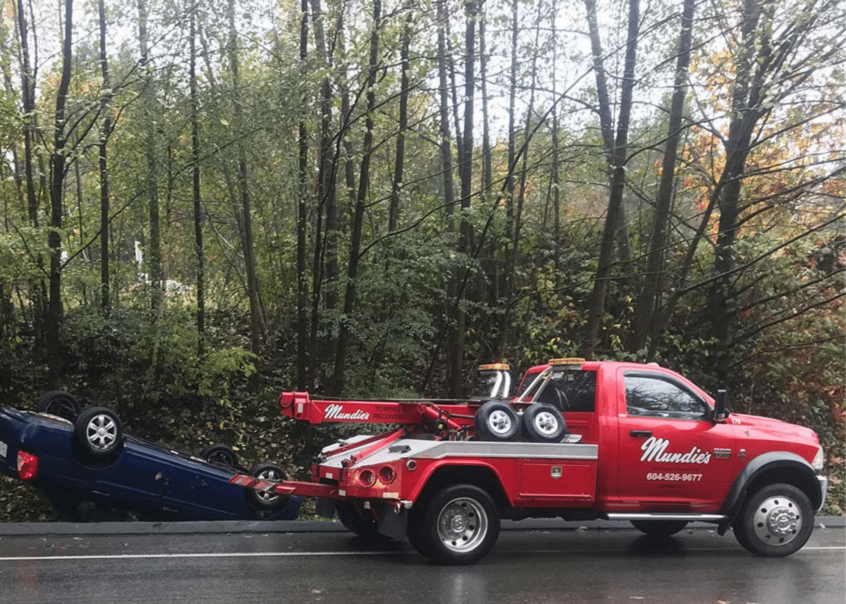
After a car crash, many drivers feel unsure about what happens next. Once your vehicle leaves the accident scene on a tow truck, the process continues with ICBC, storage yards, and repair decisions. Knowing how Vancouver towing and roadside assistance works after a collision makes the situation easier to manage.
This guide explains what happens from the moment your vehicle is towed until you pick it up again.
When ICBC Requires Tow After a Collision
ICBC requires a tow when your vehicle can’t drive safely after a crash. This includes damage to:
- Steering
- Wheels
- Suspension
- Lights
- Airbags
- Leaking fluids
- Blocked visibility by body panels
Police or traffic control staff sometimes also request towing to clear active lanes quickly, once removing vehicles from busy roads protects everyone at the scene.
Even when damage looks minor, towing remains the safest choice if the vehicle doesn’t respond normally.
What Happens at the Scene Before Your Vehicle Is Towed
Police Attendance vs Driver Reporting
Police attend serious collisions that involve injuries, blocked traffic lanes, suspected impairment, or unsafe vehicles. In smaller crashes, drivers report the incident directly to ICBC later. If police attend, they often guide traffic control and towing directions.
Choosing a Tow Destination
Your vehicle usually travels to one of these locations:
- Your home if damage is minor
- A repair facility
- An ICBC claim centre
- An approved storage yard
Choosing the correct destination early prevents extra storage costs later.
Protecting Your Vehicle From Secondary Damage
Collision scenes create risk for additional damage from traffic or debris. A tow operator secures loose parts and removes your vehicle safely from the roadway. This quick removal protects your vehicle and helps reopen traffic lanes.
Where Your Vehicle Goes After an ICBC Collision Tow
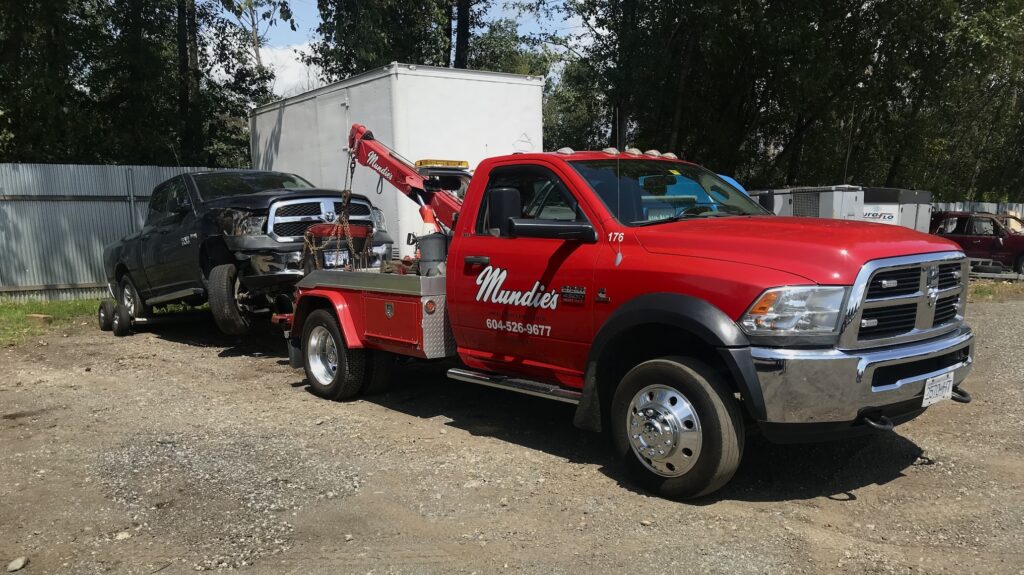
After the tow, your vehicle moves to a temporary holding location or repair shop, depending on damage level and claim status. If repairs begin right away, the vehicle goes directly to a auto body shop. If inspections are still pending, it stays in a storage facility approved for collision vehicles.
ICBC sometimes requests an estimate before repairs start. During that time, your vehicle remains stored until approval arrives.
How ICBC Claim Numbers Affect the Towing Process
Your claim number connects every step after the collision and confirms where your vehicle goes, as well as who authorizes repairs or inspections. Without a claim number, storage yards and repair shops can’t move forward with work.
Always keep your claim number available when speaking with towing staff or repair facilities. Providing it early helps reduce delays and keeps your vehicle from sitting longer than needed.
Storage Fees and Who Pays for Them After a Tow
Storage fees begin once your vehicle arrives at a holding yard. These costs depend on how long the vehicle stays before inspection or repair.
ICBC often covers storage when the claim is active and approved, but delays in decision making or communication sometimes increase the time your vehicle remains stored.
To reduce storage time and reduce potential costs:
- Contact ICBC quickly after the collision
- Confirm your tow destination
- Approve inspections without delay
- Respond to repair estimates promptly
What to Do If Your Vehicle Isn’t Drivable After an Accident
A vehicle that cannot move safely stays in storage until ICBC completes inspection and repair approval. During this period, you still have important steps to handle:
- Confirm your claim details
- Remove personal belongings from the vehicle if allowed
- Stay in contact with the repair shop for updates
If the vehicle is declared not repairable, ICBC explains the next steps for settlement.
Can You Choose Your Own Tow Truck After an ICBC Collision?
Yes, Vancouver drivers have the right to choose their own towing provider after a collision unless police direct removal for safety reasons.
Choosing your own operator gives you more control over tow destination, storage location, timing of vehicle movement. Selecting a trusted towing company also helps avoid confusion later in the process.
How Vancouver Drivers Can Avoid Unauthorized Collision Towing
Unauthorized towing sometimes happens when drivers feel rushed at the scene. Taking a moment to confirm details protects you from unexpected storage costs.
Before agreeing to a tow, check the company name and destination, ask where your vehicle will be taken, and confirm that the operator follows your instructions. Never sign documents you do not understand during a stressful situation.
When to Contact a Vancouver Collision Towing Service Directly
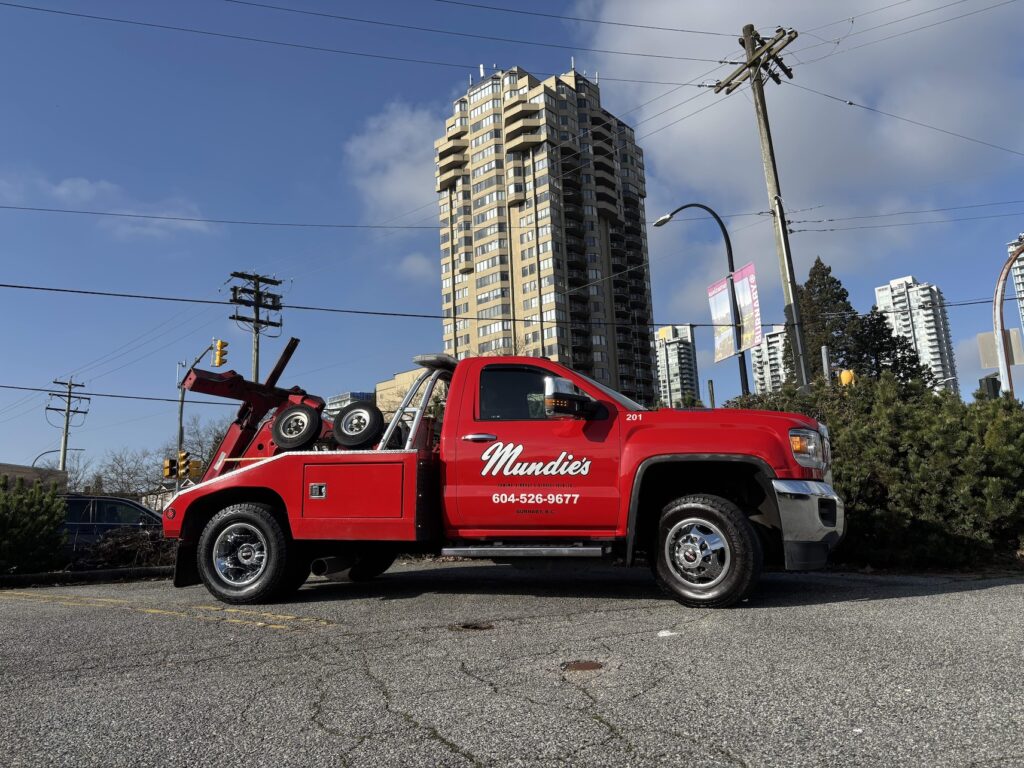
Calling a towing provider yourself keeps the process clear from the start.
You can request accident towing in Vancouver if your vehicle can’t leave the roadway safely after a crash. This direct contact improves coordination between towing staff, ICBC, and repair facilities, while early communication protects your vehicle and reduces confusion about next steps.
Comparison: ICBC Directed Tow vs Driver Selected Tow in Vancouver
These two towing paths differ after a collision:
| Factor | ICBC Directed Tow | Driver Selected Tow |
| Tow destination | Assigned by process needs | Chosen by driver |
| Storage location | Often temporary holding yard | Can go directly to repair shop |
| Claim coordination | Managed through ICBC steps | Managed with driver input |
| Timing flexibility | Depends on inspection schedule | More control over movement timing |
| Communication control | Shared between parties | Direct with towing provider |
Understanding these differences helps you make better decisions right after a collision.
Roadside Assistance Support After Minor Collisions in Vancouver
Minor incidents, which sometimes involve flat tires, loose bumpers, or vehicles that can’t restart, don’t require full transport to a storage yard. Roadside assistance in Vancouver helps drivers handle these situations without full towing when safe to do so and keeps you moving faster, as it reduces downtime.
Steps to Take Before Picking Up Your Vehicle From Storage
Before visiting a storage facility, confirm that release approval is ready to prevent wasted trips and extra waiting time.
Bring the following required documents with you:
- Government identification
- Vehicle ownership papers
- ICBC claim number
- Repair authorization, if applicable
Check storage hours before arrival, as some locations operate on limited schedules, and inspect your vehicle before leaving the yard so you understand its condition.
Get Help Quickly After an ICBC Collision Tow in Vancouver
A collision creates stress, confusion, and urgent decisions. Knowing what happens after your vehicle leaves the scene keeps the process manageable. Clear communication with ICBC and private providers helps protect your vehicle and move your claim forward without delays.
If your vehicle has been involved in an accident and needs safe transport or relocation, contact Mundie’s Towing & Recovery, a trusted provider of Vancouver towing and roadside assistance. Fast support helps protect your vehicle, keeps the process clear, and gets you moving forward sooner.